01 /Overview.
An anomaly score is not useful to an operator when the interface hides where the signal came from, what changed, and what action is plausible.
Why it matters. Operators need a traceable signal path before they can decide whether an anomaly deserves attention. A number without provenance creates alert fatigue instead of confidence.
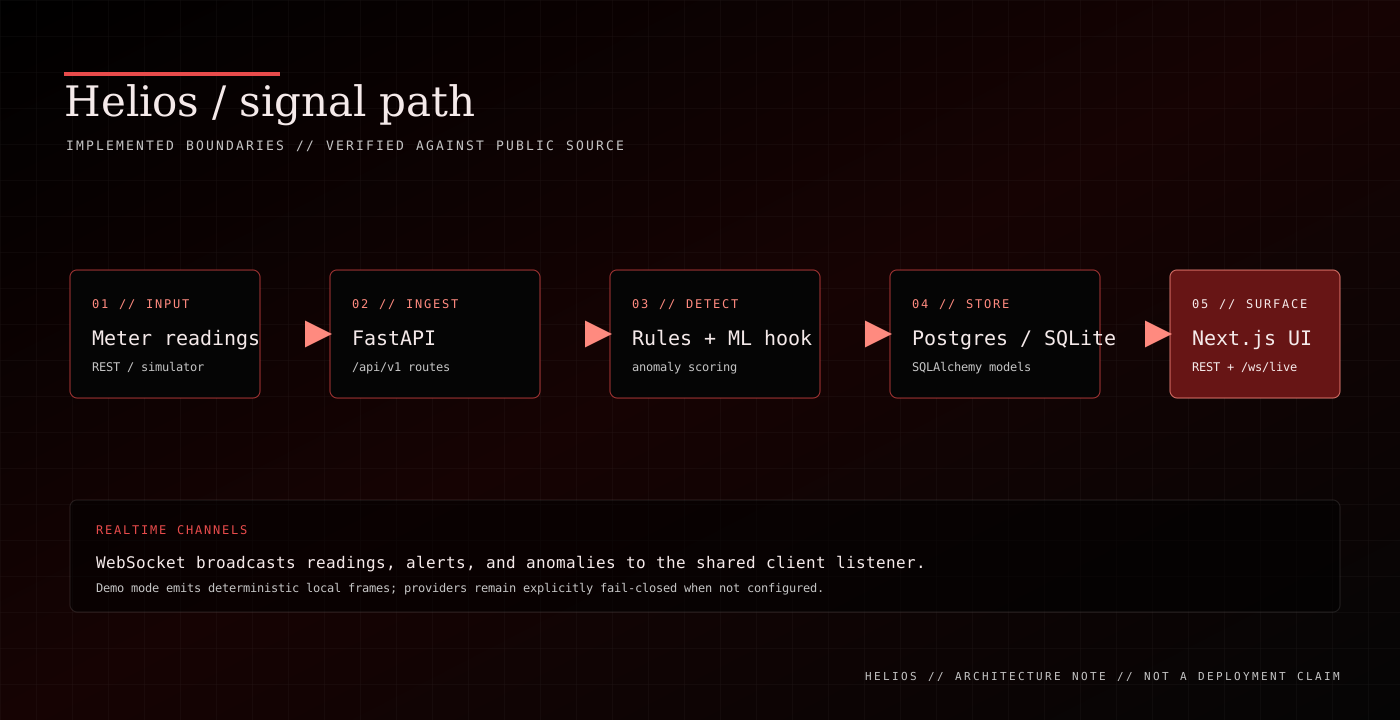
Workflow. A deterministic meter stream moves through the FastAPI/WebSocket analysis path and reveals an operator alert with enough context to inspect the event.
Outcome. A deterministic demonstration path for sample meter signals, anomaly state, alert handling, and operator interpretation.
02 /My contribution.
I shaped the operator-facing system concept and its signal-to-interpretation narrative; the repository remains the source for exact implementation ownership.
Constraints.
- Telemetry in the portfolio is illustrative, not field data.
- The demo must be repeatable without a live device or provider.
- The interface must explain the path from sample to operator view.
03 /System architecture.
04 /Technical implementation.
Primary technologies. Python · FastAPI · WebSocket · Anomaly detection · Docker
- FastAPI exposes the documented REST and WebSocket entry points.
- A deterministic simulator supplies repeatable signal frames for the demo path.
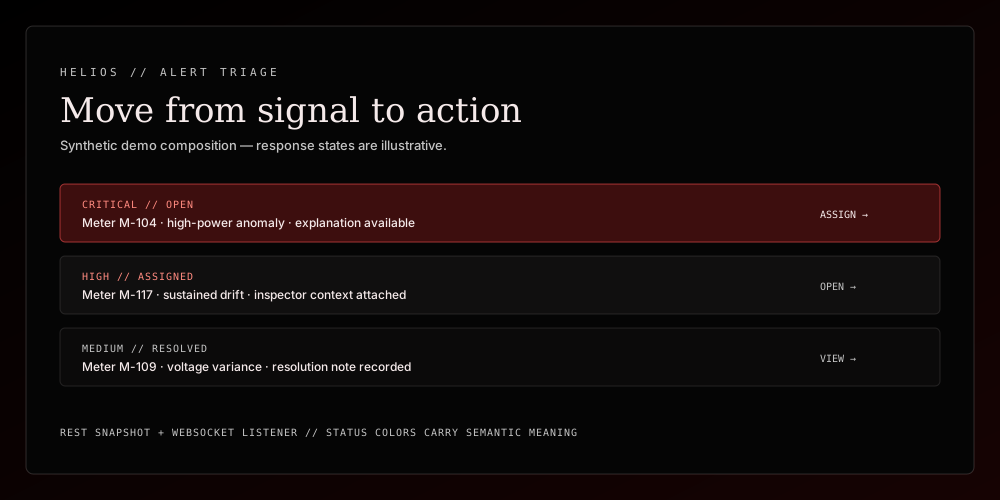
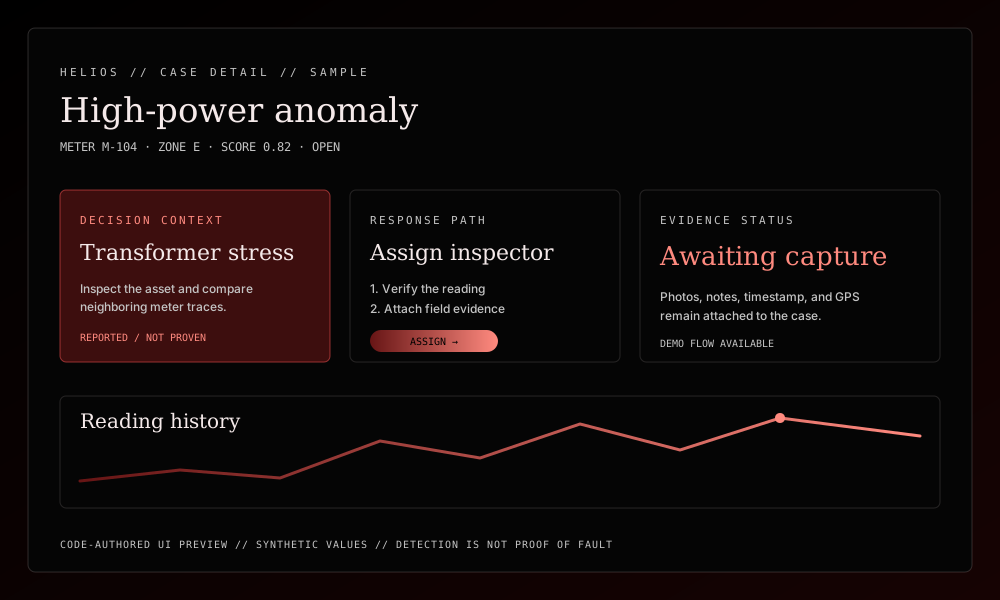
- Anomaly state is carried into alert handling so an operator can interpret the signal rather than only see a score.
Hardest engineering problem. The meaningful design choice was to expose the route from meter to alert instead of hiding it behind a polished dashboard. That makes the demo slower to scan but easier to interrogate.
Explain the signal path
The UI pairs anomaly state with an explicit path from meter to analysis to operator view.
Keep the demo deterministic
Fixed sample data makes screenshots and explanations reproducible without claiming live telemetry.
Separate concept from deployment
Experimental repository behavior stays labeled as such rather than being upgraded into a production claim.
05 /Testing and validation.
- The repository includes backend pytest and CI paths around the service behavior.
- The portfolio presents the deterministic path as evidence; it does not claim field acceptance or measured delivery latency.
06 /Results and evidence.
The public URL deploys the repository's Next.js frontend demo. The FastAPI/WebSocket backend is not hosted by this deployment, and sample telemetry remains deterministic and illustrative; no field telemetry or latency result is claimed.
- A repeatable signal → analysis → operator interpretation flow is documented.
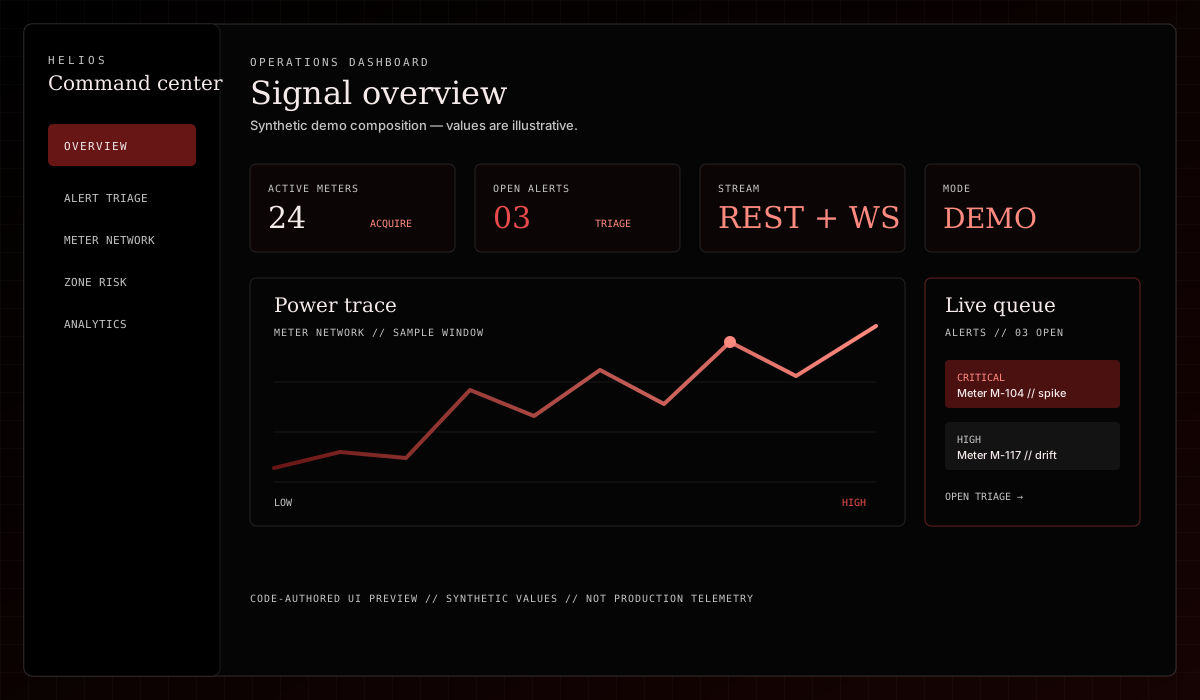
- Alert states and response context remain visible in repository-backed screens.
- System type
- RealtimeFastAPI + WebSocket path for signal updates
- Telemetry boundary
- IllustrativeDeterministic sample data, not field telemetry
See the system.
These visuals come from the project repository. They explain the product surface and the engineering path; they are not a substitute for deployment or field evidence.
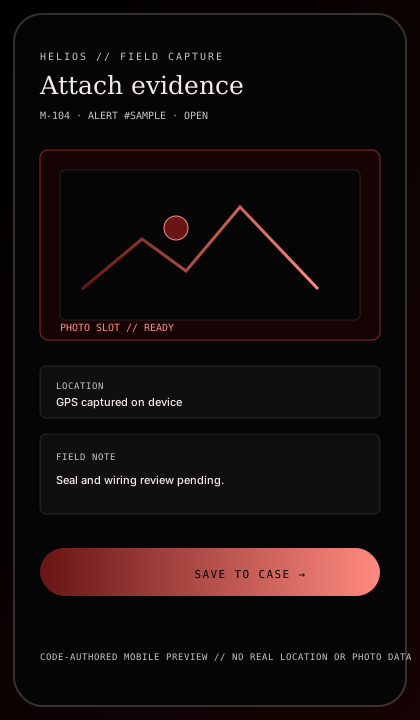
Interactive system view.
Nominal deterministic signal selected. Sample telemetry is illustrative, not field data.
The shared machine world follows this project. This panel remains complete without graphics.
07 /Limitations.
- Illustrative telemetry is not field telemetry.
- The portfolio does not simulate a production energy network.
- Performance claims require repository-specific measured evidence.
- The public Vercel surface is the frontend demo only; the backend and its realtime channel are not hosted there.
08 /What I would build next.
Connect a replayable fixture set to a measured ingestion path and document latency, reconnect, and alert-delivery behavior before claiming operational readiness.
- Operational ML needs context around the score.
- Reproducible demo states are better evidence than random dashboard motion.